A power outage at 2 a.m. does not care about your save file, your render queue, or the firmware update halfway through a write cycle. For anyone running a gaming rig, a home server, or even a router that feeds an entire household, the cost of an unprotected shutdown compounds fast: corrupted databases, lost progress, hardware that degrades from abrupt voltage drops, and the simple lost time of rebuilding an environment from scratch.
A uninterruptible power supply solves that problem by giving connected devices clean, conditioned power and enough runtime to shut down gracefully. The catch is that the market splits sharply along one axis that most beginners miss — the difference between a standby unit that switches to battery and a line-interactive model with automatic voltage regulation, and then the far more critical divide between simulated sine wave output and true pure sine wave. A poor match between your hardware and your UPS topology can cause modern power supplies to fault, buzz, or cut out before the battery even gets a chance. The roundup below compares published specifications and real-world owner feedback across eight models, arranged from highest capacity to entry-level, to help buyers find the right fit without overspending on features they will never use.
As an Amazon Associate we earn from qualifying purchases at no extra cost to you. Product prices and availability are accurate as of the date shown and are subject to change.




Top 3 picks at a glance
Quick Picks
| Product | Best for | Price |
|---|---|---|
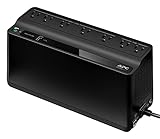
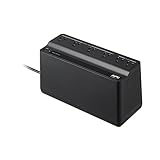
| CyberPower CP1500PFCLCD | Gaming PCs and sensitive electronics | $239.95 |
| CyberPower ST425 | Single desktop or router on a budget | $59.95 |
| APC BE600M1 | Small office setups and network gear | $83.99 |
| CyberPower EC850LCD | Mid-range workstations needing monitoring | $119.95 |
| APC BX1500M | Creative professionals and dual-monitor rigs | $189.99 |
| CyberPower CP1500AVRLCD3 | Power users wanting broad outlet coverage | $199.95 |
| CyberPower ST625U | Basic home-office protection | $79.95 |
| APC BE425M | Modems, routers, and IoT hubs | $62.50 |
How We Picked
We narrowed this list using four criteria that consistently separate models that protect hardware from those that merely plug in. First, output waveform quality: pure sine wave matters for modern active-PFC power supplies, and we flagged units that provide it. Second, topology and regulation: line-interactive designs with AVR handle brownouts and surges without draining the battery, unlike standby units that simply switch over. Third, capacity relative to typical gaming or workstation loads — wattage headroom determines whether you get seconds or minutes of runtime. Fourth, real-world owner satisfaction around noise levels, software reliability, and battery replacement cost, because a UPS you unplug because it whines is a UPS that protects nothing.
The 8 Best Uninterruptible Power Supply in 2026
CyberPower CP1500PFCLCD
This is the model most PC enthusiasts reach for when a power outage means losing work rather than just pausing entertainment. The pure sine wave output paired with 1500VA/1000W capacity makes it the safest choice for active-PFC power supplies that will reject a simulated waveform. Twelve outlets with AVR across the protected bank means you can run a tower, monitor, and peripheral hub from a single unit. Owners praise the LCD panel for clear runtime estimates and the included software for graceful shutdowns. The main con is size and weight — the mini tower form factor demands desk floor space. Skip it if you only need to protect a router or a single low-draw device; the price and bulk are disproportionate to that task.
CyberPower ST425
For anyone who wants a first UPS to confirm the concept works before investing more, the ST425 delivers the basics at the lowest price on this list. As a standby unit it switches to battery on outage, covering a single desktop or a router-and-modem pair. Owners report simple setup and compact dimensions that slide behind a monitor stand without fuss. The two strongest points are the price and the small footprint. The critical limitation is the standby topology and simulated output: it offers no voltage regulation, so frequent brownouts will shorten battery life, and it is not suitable for sensitive audio equipment or PFC supplies. Skip it for anything beyond a basic office PC or network hardware.
APC BE600M1
APC’s reputation for reliability in enterprise environments carries into this compact standby unit aimed at computers, routers, and NAS boxes. The 600VA/330W rating suits a mid-range system plus a monitor, and the small enclosure fits where larger towers cannot. Owners appreciate the straightforward management software and APC’s long track record for replacement battery availability. The two clear strengths are brand trust and the tidy form factor. The con is the same as other standby designs: no AVR, simulated waveform, and limited runtime headroom for higher-draw gaming GPUs. Skip it if your setup includes sensitive electronics or a power supply that requires pure sine wave input; the price gap to line-interactive models is small enough to justify stepping up.
CyberPower EC850LCD
The Ecologic line targets users who want monitoring and efficiency without jumping to a full sinewave price tier. The 850VA capacity and LCD display give real-time load percentage and battery status, while the energy-saving outlet bank cuts power to idle peripherals. Owners highlight the audible alert control and the fact that it sits comfortably on a desk edge. Pros include the visual feedback and the programmable master outlet that automates peripheral shutoff. The con is that output remains simulated sine wave, so compatibility with PFC supplies is not guaranteed under heavy load. Skip it if your primary concern is protecting a high-end graphics card through extended outages; the capacity ceiling is modest relative to modern gaming draws.
APC BX1500M
This line-interactive model sits in the sweet spot for creative professionals and dual-monitor setups that draw meaningfully more than an office PC but do not yet demand pure sine wave certainty. The 1500VA/900W rating with AVR handles voltage sags and spikes without battery intervention, extending runtime and battery lifespan. The LCD panel provides load and battery status at a glance. Owners note solid build quality and dependable software. The two strengths are the AVR and the generous wattage headroom. The con is the simulated output, which can cause buzzing in some audio interfaces or rejection in certain PFC supplies under low-load conditions. Skip it if you run sensitive studio monitors or a power supply explicitly requiring sine wave; the CyberPower sinewave model above is the better investment.
CyberPower CP1500AVRLCD3
For power users who need broad outlet coverage and visual feedback in a single unit, the CP1500AVRLCD3 delivers 1500VA with AVR and a large LCD that reports input voltage, load percentage, and estimated runtime. It protects a full workstation, two monitors, and peripheral gear simultaneously. Owners value the high number of surge-protected outlets and the clear information display. The two pros are outlet count and the informative panel. The con is the simulated waveform output, which shares the same PFC compatibility caveat as the BX1500M. Skip it if your priority is waveform purity over quantity of outlets; the price difference to the CP1500PFCLCD is small enough that the pure sinewave upgrade is usually worth it for PC users.
CyberPower ST625U
A step above the ST425 in capacity while keeping the same standby topology and compact design, the ST625U suits a home office PC with a monitor and small peripherals. The 625VA rating provides noticeably more headroom for brief shutdowns, and owners report reliable operation in regions with infrequent but full outages. Pros include the higher capacity at a very accessible price and the slim upright form factor that tucks against a wall. The con is the lack of voltage regulation and simulated output, meaning it treats every fluctuation as a switch-to-battery event. Skip it if you experience frequent brownouts or flickering lights; the AVR-equipped models will save your battery pack from premature wear.
APC BE425M
The smallest unit on this list, the BE425M is designed for modems, routers, and small electronics that need to stay online through brief outages. At 425VA/225W it is intentionally modest, and owners praise its ability to keep a Wi-Fi network alive during storm-season flickers without occupying visible desk space. Pros are its compact size and the lowest price from a well-known brand for basic network protection. The con is that the limited capacity offers only minutes of runtime, and the standby topology provides no regulation whatsoever. Skip it for any device that draws close to 225 watts or anything where a few seconds of switchover time would cause a reboot — this is strictly for low-draw, always-on gear.
Buying Guide
Output Waveform: Why It Matters More Than VA Rating
Modern PC power supplies use active power factor correction, which relies on a smooth waveform to operate correctly. Simulated (stepped) sine wave output — found in most standby and many line-interactive UPS units — can cause those supplies to buzz, overheat, or shut down before the battery takes over. True pure sine wave models like the CP1500PFCLCD eliminate this risk entirely. If your system uses an active-PFC supply, prioritize waveform quality over capacity numbers, because a 1000W UPS that your PSU rejects is effectively a 0W UPS.
Topology: Standby, Line-Interactive, and Online
Standby units switch to battery only when utility power fails, offering no correction in between. Line-interactive models add automatic voltage regulation that compensates for mild surges and sags without touching the battery, reducing cycle wear and extending pack life. Online (double-conversion) UPS units regenerate power continuously but cost far more and generate more heat. For gaming PCs in areas with unstable grid conditions, line-interactive with AVR is the practical floor. Standby units remain viable only where outages are rare and brief.
Runtime vs. Graceful Shutdown
No consumer UPS will let you keep gaming through an hour-long outage. Realistic runtime at moderate load ranges from two to ten minutes across this list, and the goal is not uptime — it is enough time for the included software to close applications and shut the system down cleanly. Match your UPS capacity to your actual measured draw plus monitor and peripherals, then verify the software integrates with your operating system so the shutdown trigger fires reliably. Overspending on capacity you never use wastes budget; underspending means the unit cuts out mid-shutdown.
Our Verdict
The CyberPower CP1500PFCLCD is the top pick for anyone whose primary load is a gaming or workstation PC. Pure sine wave output removes the single biggest compatibility risk, the 1500VA/1000W rating handles high-draw systems with margin, and the AVR shields the battery from unnecessary cycling. For a budget-conscious buyer protecting a basic desktop or a single network device, the CyberPower ST425 at $59.95 delivers essential backup coverage without complexity. If you run a creative or office setup and need the most outlets with visual feedback at a sub-$200 price, the CP1500AVRLCD3 wins — provided you accept the simulated waveform and your power supply does not object.
FAQ
How long does a UPS battery last?
Most sealed lead-acid batteries in consumer UPS units last three to five years under normal use, though frequent deep discharges or high ambient temperatures shorten that window. Some newer models offer swappable lithium-ion packs that add years of service and reduce weight, but replacement availability depends on the manufacturer.
Can a UPS damage my equipment?
A properly matched UPS will not damage hardware. Problems arise only when a simulated sine wave unit is paired with an active-PFC supply that rejects the waveform, causing the PSU to fault or run hot. In that scenario the UPS is ineffective rather than harmful, but the frustration of a failed switchover is real.
Do I need a UPS for my router and modem?
Keeping network gear online through a brief outage means your security cameras, VoIP phone, and any remote access tools stay reachable without rebooting. A small standby unit like the APC BE425M costs less than most streaming subscriptions and eliminates the ten-minute wait for a modem to re-sync after power returns.
Will a UPS protect against lightning?
Most consumer UPS units include surge protection on their outlets, which handles typical voltage spikes. However, a direct or very near lightning strike can exceed the energy a MOV-based surge suppressor absorbs. Pair your UPS with a whole-home surge protector at the electrical panel if you live in a high-activity region.