The best luxury bed sheets for cooler sleep are usually long-staple cotton percale for a crisp, breathable feel, linen for maximum airflow and moisture management, or silk for a smooth surface that feels cool at first but is less forgiving to launder.
For most hot sleepers, choose a 100% cotton percale set in the 200–400 thread-count range, with a fitted-sheet pocket that exceeds your mattress height by at least 2 inches. Choose linen if you prefer a relaxed texture and do not mind wrinkles; choose lightweight silk if surface smoothness matters more than easy care.
As an Amazon Associate we earn from qualifying purchases at no extra cost to you.


Our Top Picks
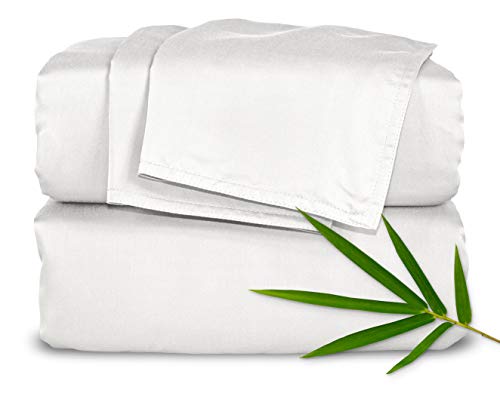
 California Design Den Soft 100% Cotton Sateen QueenQueen11.2 x 9.2 x 3.75 Inches4.85 PoundsCheck on Amazon
Top 3 picks at a glance
Quick decision guide
| Your priority | Best choice | Useful specification | Main compromise |
|---|---|---|---|
| Cool, crisp, hotel-like sleep | Cotton percale | 200–400 thread count; long-staple cotton | Can feel slightly coarse before washing |
| Maximum airflow and humid-weather comfort | Lightweight linen | Approximately 120–180 gsm | Wrinkles and a more textured hand |
| Softness without a glossy finish | Tencel lyocell or lyocell blend | Lightweight fabric; avoid heavy sateen blends | May not have the crispness of percale |
| Very smooth, low-friction surface | Mulberry silk | 19–25 momme for a practical balance | Delicate washing and higher maintenance |
| Soft, substantial, hotel-style bedding | Cotton sateen | 300–500 thread count, preferably long-staple cotton | Usually warmer than percale |
Fiber types: what actually keeps you cooler?
Long-staple cotton
Long-staple and extra-long-staple cotton can produce smoother, more durable yarns with fewer exposed fiber ends. Egyptian cotton, Pima cotton, and Supima cotton describe fiber origins or standards, but the label alone does not guarantee a cool sheet. Weave, fabric weight, finishing, and construction matter just as much.
For warm sleepers, percale is generally the safer cotton choice. Its one-over, one-under structure creates a matte surface and allows more air exchange than a dense, glossy sateen. It often starts firm or papery, then becomes softer after repeated washing.
Linen
Linen is made from flax and is valued for airflow, moisture handling, and a dry hand. It does not necessarily feel cold when you first touch it, but it is less clingy than many smooth cotton fabrics and can remain comfortable as body heat and humidity rise.
Look for lightweight linen rather than heavy “stonewashed” fabric if cooling is the priority. Heavy linen can be exceptionally durable but may feel dense, especially in warm rooms. Linen also relaxes noticeably with use, so a set that feels somewhat structured at first may become supple over several washes.
Tencel lyocell and other regenerated fibers
Lyocell sheets are smooth and often good at moving moisture away from the skin. They are a useful choice if you dislike the rougher texture of linen or the initial crispness of percale. A lightweight lyocell fabric can sleep cool, but a thick lyocell sateen or brushed finish can retain more warmth than its fiber label suggests.
Silk
Silk has a smooth, low-friction surface and can feel cool when you get into bed. Its temperature performance depends heavily on weight and room conditions. Lightweight silk may feel airy, while heavier silk can become warm under a duvet.
Momme is a silk-weight measurement rather than a thread count. Around 19–22 momme is a practical range for many sheets; heavier 25-momme fabric is more substantial but may feel warmer and requires more careful handling.
Weave and thread count: avoid paying for the wrong number
Thread count is the number of threads woven into a square inch, but a higher number is not automatically better. Very high figures can result from counting multi-ply yarns as separate threads. They may indicate a denser, heavier fabric rather than a cooler or more durable one.
| Construction | Typical feel | Cooling potential | Best use |
|---|---|---|---|
| Percale | Crisp, matte, increasingly soft | High | Hot sleepers and warm bedrooms |
| Sateen | Smooth, silky, slightly heavier | Moderate to low | People prioritizing softness and drape |
| Linen plain weave | Textured, dry, relaxed | High | Humid climates and minimal bedding layers |
| Jersey knit | T-shirt-like and stretchy | Low to moderate | Softness and flexibility rather than maximum airflow |
As a rule, a well-made 250-thread-count percale can be a better cooling purchase than a 600-thread-count sateen. Ask whether the fabric is single-ply or multi-ply, whether the specification refers to the finished fabric, and whether the sheet has a heavy finishing treatment.
Fitted-sheet depth: the overlooked fit calculation
A fitted sheet should cover the mattress, topper, and enough of the underside to stay anchored. Measure the actual stack rather than relying on the mattress’s advertised height.
Required pocket depth = mattress height + topper height + 2 to 4 inches of tuck allowance.
For example, a 13-inch mattress with a 3-inch topper creates a 16-inch stack. Adding 3 inches for the elasticized underside gives a target pocket depth of about 19 inches. A 15-inch fitted sheet is likely to pop off, while a 20-inch pocket should fit more reliably.
Do not automatically choose the deepest pocket available. Excess fabric can bunch under your back, particularly on a bare mattress. If your mattress is 10 inches high with no topper, a 14–16-inch pocket is often more manageable than a 22-inch pocket.
Laundering and long-term softness
Percale and linen
- Wash in cool or warm water according to the care label; excessive heat accelerates shrinkage and fiber wear.
- Use a small amount of liquid detergent. Residue can make both cotton and linen feel stiff.
- Dry on low or medium heat and remove while slightly damp, or line-dry when practical.
- Avoid routine fabric softener, which can coat fibers and reduce absorbency.
- Wash sheets separately from towels to prevent lint and reduce abrasion.
For cotton percale, softness tends to improve through the first several washes. Linen can also soften substantially, but aggressive high-heat drying may weaken fibers and increase shrinkage. If a set feels too stiff, use lower heat and give it more time rather than adding softener.
Silk and lyocell
Silk generally benefits from a mesh laundry bag, cool water, mild detergent, and air-drying away from direct sun. Do not wring it. Lyocell is often easier to maintain than silk, but high heat can encourage shrinkage, distortion, or a rougher feel, so low-temperature drying is the safer default.
Rotate two or three sheet sets rather than washing the same set continuously. This reduces cumulative laundering stress and lets each set fully dry before use. For luxury bedding, rotation usually contributes more to longevity than paying for an extreme thread-count figure.
How to choose among premium sheet brands
Recognized luxury names such as Sferra, Frette, Matouk, Peacock Alley, and Boll & Branch offer different constructions and collections, so compare the fabric specification rather than the label alone. A crisp percale line from one brand may suit a hot sleeper better than a higher-priced sateen line from the same brand.
Premium cotton and linen sets commonly occupy a broad market range of roughly $150–$600 or more, depending on size, fabric, finishing, and whether the set includes pillowcases. Silk can cost more, especially in larger sizes or heavier momme weights. The useful question is not “Which is most expensive?” but “Which construction matches my room, duvet, and washing habits?”
Best overall recommendation
Choose long-staple cotton percale around 200–400 thread count if you want the best balance of cooling, durability, easy care, and progressively softer texture. Choose lightweight linen if you run especially hot or live in a humid climate. Choose lyocell if you want a smooth, soft surface without silk-level care. Reserve sateen and heavier silk for sleepers who value drape and surface feel more than maximum airflow.
Before ordering, confirm the fiber composition, weave, fabric weight or thread-count method, fitted-sheet pocket range, elastic construction, shrinkage guidance, and washing instructions. Those details predict cool comfort and long-term value far better than a luxury claim on the packaging.
Frequently asked questions
Is Egyptian cotton automatically the coolest choice for hot sleepers?
No. Egyptian cotton, Pima cotton, and Supima cotton describe fiber origins or standards, but the label alone does not guarantee a cool sheet. Weave, fabric weight, finishing, and construction matter as much. For warm sleepers, cotton percale is generally the safer choice because its one-over, one-under structure creates a matte surface and allows more air exchange than dense sateen.
Will percale sheets feel soft immediately?
Not always; cotton percale can feel firm or papery before it becomes softer through repeated washing. Its crisp, matte texture is generally associated with high cooling potential, but some sleepers may prefer the smoother hand of lyocell or the relaxed texture of linen. Avoiding excessive heat and routine fabric softener can help preserve the fabric while it softens.
Can I use fabric softener to make stiff linen or percale feel better?
It is better to avoid routine fabric softener because it can coat fibers and reduce absorbency. If cotton percale or linen feels stiff, use a small amount of liquid detergent, lower heat, and allow more time for the fabric to soften through washing. Excessive heat can accelerate shrinkage and fiber wear, particularly for cotton and linen.
How should I care for silk sheets differently from cotton sheets?
Silk generally needs gentler care than cotton: use a mesh laundry bag, cool water, mild detergent, and air-dry it away from direct sun. Do not wring silk. Cotton and linen can be washed in cool or warm water according to their care labels and dried on low or medium heat, while excessive heat should be avoided.
How can I make luxury sheets last longer?
Rotate two or three sheet sets rather than washing the same set continuously. Rotation reduces cumulative laundering stress and lets each set fully dry before use. Follow the care label, avoid excessive heat, and wash sheets separately from towels to reduce lint and abrasion. For luxury bedding, rotation usually contributes more to longevity than an extreme thread-count figure.