Our Top Picks

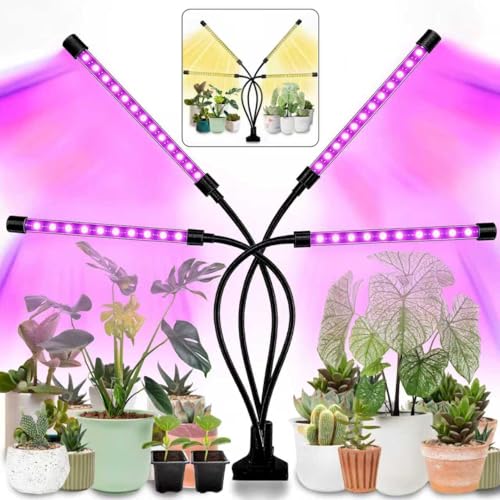


Top 3 picks at a glance
Best LED Grow Lights for Indoor Plants
The best LED grow lights for indoor plants depend on the plant’s light demand and the area you need to cover: a 10–20W full-spectrum bulb suits one or two low-light plants, while a dimmable 100–150W panel is a better choice for herbs, seedlings, succulents, and a larger shelf.
Quick comparison
| Light type | Typical actual wattage | Useful coverage | Best for | Heat and energy use |
|---|---|---|---|---|
| LED grow bulb | 10–36W | 1–4 sq. ft. | Single plants, herbs, small propagation areas | Low heat; inexpensive to run |
| LED strip or bar | 20–60W per fixture | 2–6 sq. ft. | Plant shelves, seedlings, foliage plants | Low to moderate heat; spreads light evenly |
| Compact full-spectrum panel | 60–100W | 4–8 sq. ft. | Houseplant collections, herbs, compact vegetables | Moderate heat; often dimmable |
| High-output full-spectrum panel | 120–240W | 8–16 sq. ft. | Seedlings, flowering plants, larger growing areas | Higher heat; needs airflow and a strong mounting point |
Coverage figures are practical starting points rather than guarantees. Actual results depend on mounting height, reflector design, plant canopy density, and whether the fixture provides enough usable light at the edges.
As an Amazon Associate we earn from qualifying purchases at no extra cost to you.


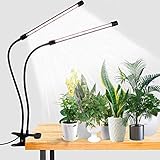
Best light types for different indoor plants
Best for one or two foliage plants: a full-spectrum LED bulb
A screw-in grow bulb is the simplest solution for pothos, philodendrons, snake plants, spider plants, and other plants that need supplemental light. A 10–20W bulb positioned 12–24 inches above the foliage can brighten a small area without filling an entire room with intense light. For a wider or denser plant, a 24–36W bulb or two smaller bulbs will provide more even coverage.
Products such as the SANSI 36W LED grow light bulb are examples of this category. Check the fixture’s actual electrical wattage rather than an “equivalent wattage” claim. A regular desk lamp may work physically, but it should be rated for the bulb’s heat and weight, and the socket should not be enclosed unless the bulb manufacturer allows it.
Best for plant shelves: LED bars or strips
Bar-style fixtures are usually better than a single bulb for several plants arranged in a row. Barrina T5-style grow light bars and similar full-spectrum LED bars can be mounted beneath shelves, reducing dark zones between pots. Use one bar for a narrow shelf of low-light foliage, or place two parallel bars over plants with demanding light requirements.
Bars also produce less concentrated glare than a high-output panel. Their main limitation is intensity: they may keep foliage healthy but often need to be mounted close to seedlings, herbs, or flowering plants.
Best for herbs, seedlings, and compact vegetables: a dimmable panel
A 60–100W full-spectrum panel is the most flexible choice for a small growing area. The Spider Farmer SF1000 is a well-known example of a compact panel class, while the Mars Hydro TS1000 represents the higher-output 150W class. These fixtures generally spread light more evenly than bulbs and commonly include a dimmer or adjustable hanging height.
For basil, cilantro, lettuce, peppers, and tomato seedlings, a panel makes it easier to increase intensity as plants grow. It also leaves room to raise the fixture instead of immediately buying another light.
Decision matrix: match the fixture to your situation
| Your situation | Recommended starting point | Starting height | Daily schedule |
|---|---|---|---|
| One pothos or snake plant | 10–20W full-spectrum bulb | 18–24 inches | 10–12 hours |
| Small herb tray, about 2 sq. ft. | 30–60W LED bar or panel | 8–16 inches | 12–16 hours |
| Seedlings on a 2 × 4 ft shelf | 60–100W panel, or multiple bars | 12–24 inches, then adjust | 14–16 hours |
| Flowering or fruiting plants in 4 × 4 ft | 240–400W total LED output | 18–30 inches | 12–14 hours, depending on species |
| Low heat near furniture or curtains | Low-wattage bars or a dimmed panel | Use the manufacturer’s minimum distance | 10–14 hours |
Wattage, coverage, and energy cost
Wattage describes electricity consumption, not brightness delivered to the leaves. Two 100W fixtures can produce different amounts of usable light because of differences in LED efficiency, optics, driver quality, and heat management. If a manufacturer publishes PPFD maps, use those to judge coverage; otherwise, treat wattage and coverage claims as approximate.
A practical power calculation helps prevent an oversized light from becoming an unnecessary expense. Suppose a 100W panel runs for 14 hours each day:
0.1 kilowatts × 14 hours × 30 days = 42 kilowatt-hours per month.
At an electricity rate of around $0 per kilowatt-hour, that is about around $7 per month. A 36W bulb used for 12 hours per day would consume about 12.96 kilowatt-hours monthly, costing approximately $2 at the same rate. Your local utility rate and actual schedule will change the result.
Do not select a 150W panel for a single low-light plant simply because it has a higher advertised output. Excess light can bleach leaves, increase watering demand, and create heat without improving growth.
Spectrum: what “full spectrum” does and does not tell you
For general indoor growing, a balanced white full-spectrum LED is the easiest choice. It renders leaf color naturally, works for both vegetative growth and many flowering plants, and is more comfortable to live with than stron
Frequently asked questions
How far should I place a grow light from my plants?
Start with the distance recommended for your fixture and plant setup, then adjust based on how the plants respond. The article suggests 12–24 inches for a bulb over one foliage plant, 8–16 inches for a small herb tray, and 12–24 inches for seedlings under a panel or bars. Coverage and intensity also depend on the fixture and canopy.
How many hours a day should a grow light stay on?
The schedule depends on what you are growing: the article suggests 10–12 hours for one pothos or snake plant, 12–16 hours for a small herb tray, and 14–16 hours for seedlings. Flowering or fruiting plants may need 12–14 hours, depending on the species.
Can a grow light damage my plants?
Yes, too much light can bleach leaves and increase watering demand without improving growth. The article advises against choosing a powerful panel for a single low-light plant just because its advertised output is higher. Mounting distance, dimming, and the plant’s light needs all matter.
What should I check besides wattage when choosing a grow light?
Check usable light coverage and, if available, the fixture’s PPFD maps. Wattage measures electricity use, not the brightness delivered to leaves; efficiency, optics, driver quality, and heat management can make two fixtures with the same wattage perform differently. Treat coverage claims as approximate.
Is a regular desk lamp suitable for a grow bulb?
It may work physically, but the lamp must be rated for the bulb’s heat and weight. The article also cautions against using an enclosed socket unless the bulb manufacturer allows it. Check the grow bulb’s actual electrical wattage rather than relying on an equivalent-wattage claim.