Our Top Picks
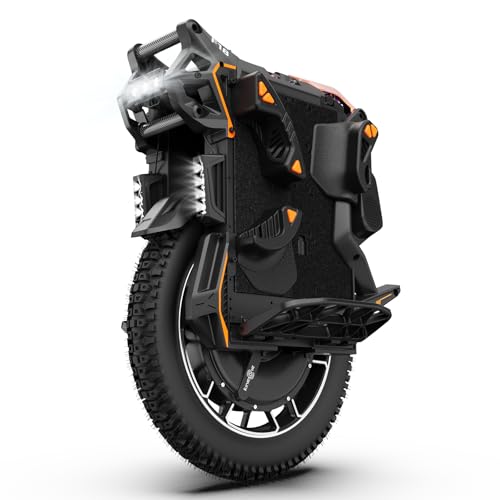


Top 3 picks at a glance
Best Electric Unicycles for Commuting and Trails
The best electric unicycles for most riders are the Inmotion V11Y for a suspension-equipped commuter, the Begode Falcon for a lighter mixed-use ride, and the Veteran Sherman L for long-distance travel—provided you have the space and experience for its weight. Real-world range is typically well below advertised range, and a wheel’s mass, suspension, charging time, and learning curve can matter more in daily use than its headline top speed.
Quick comparison
Figures below are approximate manufacturer specifications or practical planning estimates, not guarantees. Range depends heavily on rider weight, speed, temperature, hills, tire pressure, and stops. Treat the planning range as a conservative starting point rather than a promised result.
As an Amazon Associate we earn from qualifying purchases at no extra cost to you.


| Model | Battery | Planning range | Top speed* | Motor | Weight | Suspension | Charge time |
|---|---|---|---|---|---|---|---|
| Inmotion V11Y | 1,500 Wh | 35–55 miles | Up to about 37 mph | 2,200 W rated | About 65 lb | Yes | About 5–8 hours, charger-dependent |
| Begode Falcon | About 900 Wh | 20–35 miles | Up to about 30 mph | About 1,500 W rated | About 55 lb | Yes | Roughly 3–5 hours, charger-dependent |
| Veteran Sherman L | About 3,600 Wh | 70–110 miles | Up to about 55 mph | About 2,500 W rated | About 100 lb | No | Often 8–12 hours with a standard charger |
*Advertised maximum speeds are not sensible everyday targets. Speed limits, battery charge, rider mass, and conditions affect what is safe and achievable. Confirm the exact specifications for the model year and regional version before buying.
Which wheel fits your commute or trail?
- Short commute with stairs or transit: Favor a lighter wheel such as the Begode Falcon. Its suspension helps on rough pavement, but its battery gives less margin for detours, cold weather, or a long return trip.
- Broken pavement and regular daily riding: The Inmotion V11Y balances substantial range with suspension. At around 65 lb, it is still awkward to carry upstairs, so check whether you can roll it through your building and store it near an outlet.
- Long routes with few charging opportunities: The Sherman L’s large battery is the standout, but its roughly 100-lb mass makes carrying and maneuvering it a serious commitment. Its high top speed is not a reason to ride at that speed.
- Frequent unpaved trails: Prioritize tire suitability, ground clearance, water-resistance guidance, and suspension over maximum speed. None of these models makes every trail appropriate: avoid terrain beyond your skill, and check local rules for motorized vehicles.
Range: plan for the ride you will actually make
Manufacturers’ range figures are commonly measured under favorable conditions. A fast rider, steep route, low temperatures, or frequent acceleration can cut usable distance substantially. For planning, reserve at least 20–30% of the battery rather than treating the final displayed miles as dependable.
Here is a simple commute calculation. Suppose your round trip is 18 miles and you want a 25% reserve. The wheel should have a practical range of at least 18 ÷ 0.75 = 24 miles in conditions like yours. If the route includes hills or winter riding, add more margin. A wheel advertised for 30 miles may not meet that requirement consistently; a larger battery or a workplace charging option could be the better fit.
Battery capacity also affects charging time. A 1,500 Wh pack charged at an average of 250 W would take about 1,500 ÷ 250 = 6 hours in an idealized calculation. Actual charging takes longer or varies because charging power changes during the session, and charger output differs. Check whether a model supports a faster or second charger, and whether your outlet and charging routine make that practical.
Motor power, speed, and safety are connected
Rated motor power is not a direct measure of safe speed or hill-climbing ability. It indicates the motor’s nominal output; peak output, controller limits, battery voltage, rider load, and temperature also matter. More power can provide useful acceleration and reserve on climbs, but it does not remove the need to stay within the wheel’s limits.
Electric unicycles balance the rider by accelerating or slowing the wheel beneath them. A sudden demand for power at high speed, on a steep climb, or with a low battery can reduce the margin available to keep that balance. Learn the manufacturer’s warnings about tilt-back, low-battery alerts, and speed alarms. Do not disable safety alerts to chase a higher speed.
Look for functioning lights, a visible battery indicator, a sturdy trolley handle, and accessible alarms. Wear a helmet and protective gear, use lights in low visibility, and inspect the tire and pedals regularly. Water resistance is not permission to submerge a wheel or ride through deep water; follow the specific care guidance for your model.
Learning curve: the lightest suitable wheel is often the easiest start
Most new riders need repeated short practice sessions to develop balance and reliable starts. A large, powerful wheel can be harder to mount, stop, and recover from than a lighter one. The Sherman L in particular is not a forgiving first choice simply because it offers impressive range.
- Start in a flat, open area: Wear protective gear and use a wall, rail, or helper for support while learning to mount and dismount.
- Practice controlled starts and stops: Keep sessions short. Work on straight, slow riding before adding turns or speed.
- Use a low speed limit at first: Set a conservative limit in the manufacturer’s app if available. Raise it only after you can brake, turn, and handle uneven ground reliably.
- Build up gradually: Learn how the wheel responds with your usual shoes, clothing, and backpack. Do not begin on traffic routes or technical trails.
Frequently asked questions
Is an electric unicycle suitable for a first-time rider?
A lighter suitable wheel is usually the easier starting point, while a large, powerful wheel can be harder to mount, stop, and recover from. The article specifically cautions that the Veteran Sherman L is not a forgiving first choice. New riders should practice repeated short sessions in a flat, open area before attempting traffic routes or technical trails.
What should I check before storing an electric unicycle at home?
Check whether you can roll the wheel through your building, especially if carrying it upstairs would be difficult. You should also have a practical storage location near an outlet and consider charging time, which varies by model, charger, and charging routine. The wheel should be stored and charged in a way that fits your regular commute.
Can I ride these electric unicycles in rain or through water?
Water resistance does not mean an electric unicycle can be submerged or ridden through deep water. Follow the specific care guidance for the model you choose. Before riding frequently outdoors, also consider the wheel’s water-resistance guidance, tire suitability, and the conditions on your route or trail.
What safety equipment and checks should I use before riding?
Wear a helmet and protective gear, and use lights in low visibility. Before riding, inspect the tire and pedals, and look for functioning lights, a visible battery indicator, a sturdy trolley handle, and accessible alarms. Learn the manufacturer’s warnings about tilt-back, low-battery alerts, and speed alarms, and do not disable safety alerts.
How should I prepare an electric unicycle for a workplace commute?
Compare the wheel’s conservative planning range with the full round trip, leaving at least 20–30% of the battery in reserve. Hills, cold weather, speed, and frequent acceleration can reduce usable distance. If the route exceeds that margin, consider a larger battery or workplace charging option, and confirm that charging time fits your routine.
Bottom line
For a commuter who wants suspension without stepping up to a very heavy long-range wheel, the Inmotion V11Y is a strong all-round choice. The Begode Falcon makes more sense when carrying weight and a shorter route matter more than maximum range. Choose the Veteran Sherman L when long-distance capacity is essential and you are prepared for its size, mass, and advanced performance. Before ordering any wheel, compare its conservative range with your route, check local riding rules, and make sure you can safely store and charge it.