As we navigate through 2026, building and maintaining a high-end gaming rig requires more than just raw enthusiasm; it demands the right instrumentation. Modern graphics cards, intricate motherboards, and tightly packed chassis leave very little margin for error, turning what used to be a simple screwdriver job into a precise technical operation. Whether you are swapping out an AIO liquid cooler, installing a PCIe Gen 5 NVMe drive, or simply performing routine dust maintenance, using subpar tools can easily strip screws, crack delicate PCBs, or cause catastrophic short circuits.
Choosing the right computer repair kit isn’t about buying the most expensive option laden with gimmicks you will never use. Instead, it is about understanding metallurgy, ergonomics, electrical safety, and modularity. This decision guide cuts through the marketing noise to focus on what actually matters when building your ultimate toolkit, ensuring your valuable gaming hardware remains pristine through every upgrade cycle.
As an Amazon Associate we earn from qualifying purchases at no extra cost to you. Product prices and availability are accurate as of the date shown and are subject to change.
The Foundation: Why Magnetic Drivers and Bit Quality Matter
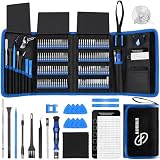
The core of any repair kit is the screwdriver handle and its accompanying bits. When evaluating driver handles, look for an ergonomic, rubberized or textured aluminum grip that allows for high torque application without hand fatigue. A smooth-spinning swivel cap at the top of the handle is essential for precise, single-handed screw driving in tight motherboard corners.
Bit quality is non-negotiable. Cheap steel bits round off quickly, which in turn strips tiny laptop and M.2 screws, turning a five-minute fix into an hour-long nightmare of extraction. Insist on S2 tool steel or chrome-vanadium bits that have been heat-treated for durability. Additionally, ensure your driver is magnetized—or includes a reliable magnetizer/demagnetizer tool—so you never drop a tiny standoff screw into the labyrinth of a PSU shroud or beneath a GPU backplate.
ESD Safety: Protecting Hardware from Static Discharge
Electrostatic discharge (ESD) remains an invisible killer for modern semiconductor components. While modern motherboards feature robust built-in circuit protection, a sudden static shock can permanently degrade RAM modules or GPU traces. Your kit should always include an anti-static wrist strap with a grounding resistor and a standard alligator clip.
Beyond the wrist strap, consider the surface you work on. A dissipative anti-static silicone repair mat provides a safe working zone, organizes your screws into convenient magnetic or partitioned grids, and protects your desk from thermal paste spills and sharp component edges. Never build or repair on carpeted surfaces or while wearing wool garments without proper grounding equipment.
Pry Tools, Spudgers, and Opening Picks for Tight Spaces
Gone are the days when PCs were exclusively held together by standard Phillips screws. Modern gaming laptops, small-form-factor cases, and custom peripheral enclosures rely heavily on plastic snap-fits, hidden clips, and aggressive adhesives. Using a metal screwdriver to pry open a plastic panel will inevitably gouge the plastic and ruin the aesthetic of your setup.
Your toolkit must feature a variety of nylon spudgers, carbon fiber opening picks, and flexible metal spudgers. Nylon and carbon fiber tools are non-marring and non-conductive, meaning you can safely lever up stubborn internal ribbon cables, fan headers, and laptop bezels without scratching circuit boards or triggering accidental shorts.
Precision Lighting and Magnification: Seeing the Micro-Details
PC components are shrinking while pin counts and connectivity density are skyrocketing. Trying to seat an ultra-thin front-panel header or verify that an M.2 screw is properly aligned in low ambient lighting invites installation errors and bent pins.
A high-lumens LED headlamp or a flexible, adjustable desk-clamp magnifying lamp is an invaluable asset for serious troubleshooting. Being able to clearly read microscopic silk-screen labels on a motherboard—such as specific fan-pump headers or clear-CMOS jumper pins—prevents costly misconnections and reduces eye strain during late-night troubleshooting sessions.
Thermal Paste Application and Removal Supplies
Thermodynamics dictate the performance of your CPU and GPU, making proper thermal paste management a frequent maintenance task. A proper repair arsenal should include specialized cleaning supplies rather than relying on random household chemicals.
Keep high-purity isopropyl alcohol and lint-free microfiber cloths or specialized wipes on hand to completely strip away dried, degraded paste without leaving behind fibers or residue. For application, look for kits that include plastic spreaders or stencil guides if you prefer manual spreading over the traditional pea-sized center drop method.
Cable Management and Zip-Tie Management Gear
A clean interior isn’t just about aesthetics; it optimizes airflow and prevents cables from clipping against high-RPM fan blades. While cases often come with basic twist ties, a proper toolkit should be equipped for long-term management.
Stock up on a spool of reusable silicone cable ties, fine flush-cut wire cutters, and heavy-duty nylon zip ties. Flush-cut pliers allow you to trim excess zip-tie tails completely flush with the locking head, eliminating sharp plastic edges that can scratch your fingers or damage sleeved cables during future modifications.
When to Spend More: Premium Kits vs. Budget Toolsets
You can find generic multi-bit driver sets online for very little money, but they often feature loose tolerances, poorly labeled bit sockets, and handles that crack under pressure. Knowing when to upgrade to a professional-grade brand makes a tangible difference in longevity and performance.
Invest in a premium kit when you find yourself frequently doing hardware teardowns, building PCs for friends, or working on complex small-form-factor builds where clearance is measured in millimeters. Premium sets offer precision-milled bits that fit fastener heads with zero play, ratcheting mechanisms with tight gear engagement, and rugged aluminum cases that will last for decades of hardware upgrades.
Related Guides
For more insights on upgrading your workstation and finding the right gear, check out our comprehensive Best Essential Computer Repair Tools for expert recommendations.
FAQ
Are magnetic screwdrivers safe to use inside a gaming PC?
Yes, modern magnetic screwdrivers are completely safe for use around computer components. The magnetic field strength of standard hand tools is far too weak to affect solid-state drives, RAM, or flash memory, though you should still avoid touching bare PCB traces directly with strong magnets.
What screwdriver size is most commonly used for PC building?
The standard Phillips size is the workhorse used for almost all chassis screws, power supply mounts, and larger component brackets. However, smaller precision bits are critical for M.2 SSD screws and laptop internal fasteners.
How often should I replace thermal paste during routine maintenance?
For most high-performance gaming setups, replacing thermal paste every few years is sufficient to maintain optimal cooling temperatures. If you notice sudden thermal throttling or rising idle temperatures, it is time to clean and reapply.
Can I use standard household tools instead of a specialized PC toolkit?
While a standard household toolbox might get a motherboard mounted to a chassis, it lacks the precision bits, non-conductive pry tools, and ESD safety features required for modern electronics. Using oversized tools dramatically increases the risk of stripping screws or damaging delicate hardware.