Our Top Picks
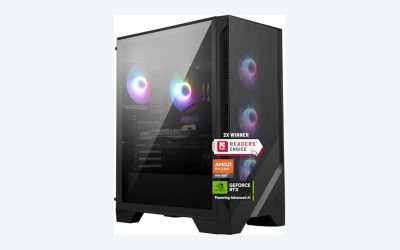
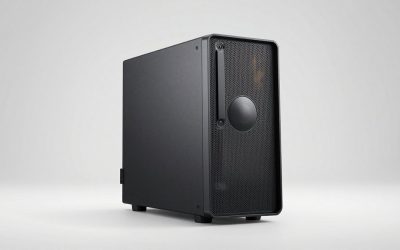
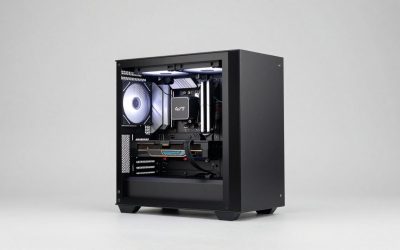
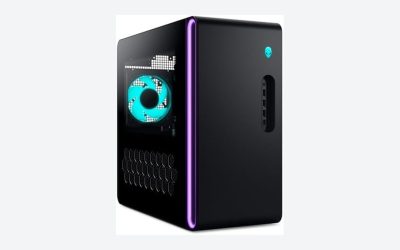
 MUSETEX Y6 PC Case16.73"D x 10.83"W x 15.67"H16.73 x 10.83 x 15.67 inches13.09 PoundsCheck on Amazon


Top 3 picks at a glance


The Short Answer
A full ATX build needs a case that officially lists ATX or E-ATX motherboard support. In practical terms, that means a mid-tower with an interior width of at least 8 inches (20.3 cm), roughly 17–22 inches (43–56 cm) of height, and 16–22 inches (41–56 cm) of depth. A full-tower gives you more breathing room for tall air coolers, 360 mm radiators, and oversized graphics cards. If your motherboard is a standard ATX board (12.0 × 9.6 inches / 30.5 × 24.4 cm), any modern mid-tower will physically fit it — the real question is clearance for your GPU, CPU cooler, and radiator.
Standard Sizes
Use this table to match your parts to the right case class. Dimensions are typical ranges; always check the specific model’s spec sheet before buying.
As an Amazon Associate we earn from qualifying purchases at no extra cost to you.


| Case Class | Height | Width | Depth | Motherboard Support | Typical Price |
|---|---|---|---|---|---|
| Mini-ITX | 10–14 in (25–36 cm) | 6–9 in (15–23 cm) | 11–16 in (28–41 cm) | ITX, sometimes mATX | $60–$180 |
| Micro-ATX Mid-Tower | 14–17 in (36–43 cm) | 7–8.5 in (18–22 cm) | 14–17 in (36–43 cm) | mATX, ITX | $40–$90 |
| Mid-Tower (ATX) | 17–20 in (43–51 cm) | 8–9.5 in (20–24 cm) | 16–19 in (41–48 cm) | ATX, mATX, ITX | $60–$150 |
| Full-Tower (E-ATX) | 20–24 in (51–61 cm) | 9–12 in (23–30 cm) | 19–24 in (48–61 cm) | E-ATX, ATX, mATX, ITX | $120–$350 |
A few reference points for full ATX builds specifically:
- Standard ATX motherboard: 12.0 × 9.6 in (30.5 × 24.4 cm)
- E-ATX motherboard: up to 12.0 × 13.0 in (30.5 × 33.0 cm) — often too wide for mid-towers, which typically cap out at 10.5–11 in (26.7–27.9 cm) of board width
- Typical full ATX build weight when assembled: 25–40 lb (11–18 kg) with glass panels, so check a case’s weight if you move your PC often
The Corsair 4000D RS ARGB (3× pre-installed fans, around $89) is a good example of a mid-tower sized for a standard ATX board with room for a 360 mm radiator. The Antec Flux Pro (around $150, six PWM fans included) sits in full-tower territory, making it easier to fit E-ATX boards and chunky air coolers. Budget-oriented mid-towers like the Lian Li V100-ATX (around $74) and the MUSETEX Y6 (around $59, with a Type-C front port and 270° tempered glass) handle standard ATX builds fine as long as your GPU and cooler stay within their listed clearance limits.
How to Measure Your Space
- Measure the desk cavity or floor spot. Note height, width, and depth in inches. Add 3–4 inches (8–10 cm) behind the case for cable airflow and rear I/O access.
- Add clearance on top. Leave at least 2 inches (5 cm) above the case if it vents from the top — many cases exhaust warm air upward through the rear and top panels.
- Check the GPU and cooler clearances. A case’s spec sheet lists maximum GPU length and CPU cooler height. Common mid-tower limits are 355–390 mm (14–15.4 in) for GPUs and 160–175 mm (6.3–6.9 in) for air coolers. Compare against your actual parts.
- Account for the front panel. Tempered-glass and 270°-view cases like the MUSETEX Y6 may need extra side clearance for the glass door swing or front fan intake.
- Plan cable routing. Leave the side panel accessible. Cases with 15–25 mm (0.6–1 in) of routing space behind the motherboard tray make builds far easier.
- Verify PSU length. Most mid-towers accept PSUs up to 180 mm (7.1 in); full-towers can take 200 mm+ units.
By Room or Use Case
Under a Desk or on the Floor
A mid-tower is usually the right call. At roughly 18 × 9 × 18 inches (46 × 23 × 46 cm), cases like the Lian Li V100-ATX slide under most desks without dominating the space. Carpeted floors trap heat, so pick a case with a raised PSU shroud and bottom intake clearance, or set the case on a hard pad.
On a Desk Next to Your Monitor
Desk space is at a premium, so depth matters more than height. Look for a case 16–18 inches (41–46 cm) deep with front I/O including USB-C — the MUSETEX Y6’s Type-C port is handy here. A 270° glass panel case looks great on a desk but adds weight; expect 15–20 lb (7–9 kg) empty, more once built.
High-End Gaming or Creator Builds
If you’re running an E-ATX board, a triple-slot GPU over 13 inches (33 cm), or a 360 mm radiator at the top, step up to a full-tower. The Antec Flux Pro class of case — around 21 × 10 × 21 inches (53 × 25 × 53 cm) — gives you unobstructed airflow, room for six or more fans, and easier access during upgrades. Full-towers typically cost $120–$200, but bundles with six PWM fans (a $50–$70 value bought separately) narrow the gap.
Small Apartments and Dorms
Consider a compact mid-tower in the 16–17 inch (41–43 cm) height range. These still take a standard ATX board but shave 2–3 inches off the footprint. Keep total system airflow in mind: compact cases usually max out at 240 mm radiators and 160 mm coolers, so choose low-profile parts accordingly.
Home Theater and Living Room
Horizontal or console-style cases fit media shelves but limit you to shorter cards. If you want a tower in the living room, aim for under 19 inches (48 cm) tall, favor mesh fronts over glass for quieter acoustics, and check that the case supports sound-dampening padding if fan noise matters.
Common Sizing Mistakes
- Buying “ATX support” without checking GPU clearance. The board fits, but a 340 mm triple-fan GPU may not. Always cross-check the millimeter numbers.
- Assuming a mid-tower takes E-ATX. Most mid-towers cover the motherboard standoffs but block the board’s extra width, hiding SATA ports or blocking the first PCIe slot.
- Forgetting radiator plus fan thickness. A 360 mm radiator with 25 mm fans totals 55–60 mm (2.2–2.4 in); top-mounted versions can collide with tall RAM or VRM heatsinks.
- Ignoring cooler height vs. case width. A 168 mm tower cooler needs a case at least 170 mm wide internally — measure the spec sheet, not the exterior.
- Measuring the shelf but not the door swing. Enclosed TV cabinets and desks with hutches often can’t fit a 20-inch case plus top exhaust clearance.
- Overbuying the case, underbuying airflow. A huge case with a solid front panel can run hotter than a compact mesh case; airflow design matters more than raw volume.
FAQ
Will an ATX motherboard fit in a mid-tower case?
Yes. Virtually every mid-tower supports standard ATX boards (12.0 × 9.6 in). Check the GPU length limit (typically 355–390 mm) and CPU cooler height limit (typically 160–175 mm) against your specific parts.
Do I need a full-tower for a full ATX build?
No — full-tower refers to the case size, not the board. A standard ATX build fits comfortably in a mid-tower. Choose a full-tower only if you’re using an E-ATX board, a very long GPU, multiple radiators, or you simply want easier build access.
How much space should I leave around my PC case?
Leave at least 3–4 inches (8–10 cm) behind the case for cables and exhaust, and 2 inches (5 cm) above top-venting cases. Never push the front intake flush against a wall or cabinet door if the case draws air from the front.
What size case is best for a first build in 2026?
A modern mesh-front mid-tower in the $60–$90 range is the sweet spot — options like the Corsair 4000D RS ARGB or MUSETEX Y6 include fans, USB-C front I/O, and clearance for today’s GPUs. Step up to a full-tower only if your parts list actually demands the extra room.