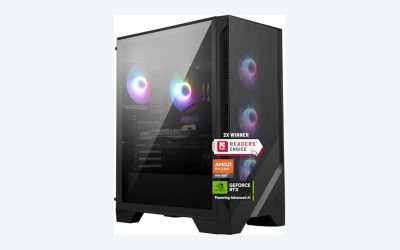
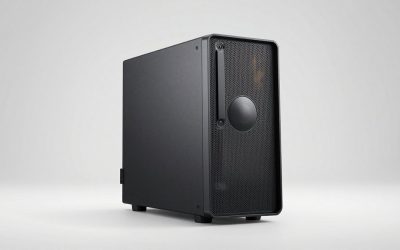
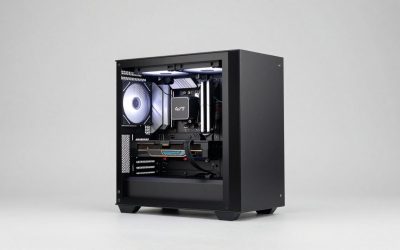
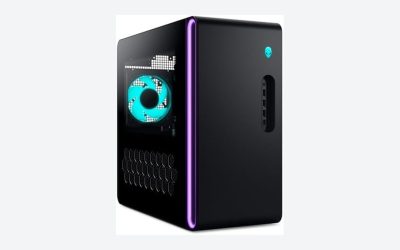
Our Top Picks

The Short Answer
For most gamers, no — ITX is not worth it over Micro-ATX unless you have one specific condition: you genuinely need the smaller footprint. That means you carry your PC to LAN parties regularly, your desk space is truly limited, or you simply want a small, elegant build on display. If none of those apply, a Micro-ATX board and case will cost you less money, run cooler, and give you an easier building experience. ITX is a lifestyle choice, not a performance upgrade.
What You Actually Get
Let’s define the two formats. An ITX (Mini-ITX) motherboard measures 6.7 x 6.7 inches (170 x 170 mm). A Micro-ATX board measures 9.6 x 9.6 inches (244 x 244 mm). That size difference drives everything else:
As an Amazon Associate we earn from qualifying purchases at no extra cost to you.


- Expansion slots: ITX boards give you one PCIe x16 slot, meaning one graphics card and nothing else. Micro-ATX boards typically offer two to four slots, so you can add a capture card, a second GPU, or a dedicated sound card.
- RAM: ITX boards have two DIMM slots, capping you at 64GB on most current boards. Micro-ATX boards usually offer four slots, allowing 128GB and cheaper two-stick upgrades down the road.
- Storage: ITX boards generally have one or two M.2 slots. Micro-ATX commonly provides two to four M.2 slots plus SATA ports.
- Case size and weight: ITX cases typically run 10–20 liters in volume and 8–15 pounds empty. Micro-ATX cases start around 25 liters and 10–13 pounds. A typical Micro-ATX case measures roughly 15–18 inches tall, while compact ITX cases can sit under 12 inches.
- Cooling and power headroom: ITX builds usually require SFX power supplies (smaller, often $20–60 more than comparable ATX units) and low-profile coolers, and many ITX cases limit GPU length to under 12 inches, which constrains your graphics card choice.
Importantly, raw gaming performance is essentially identical. An RTX-class GPU paired with a modern six- or eight-core CPU performs the same in either format when cooling is adequate. You are paying for size, not frames.
Pros
- Genuinely portable. A finished ITX build in a 15-liter case often weighs 15–20 pounds total — carryable with one hand to a friend’s house or a tournament.
- Desk-friendly footprint. A compact ITX case can take up half the surface area of a mid tower, which matters on a 48-inch desk shared with monitors and peripherals.
- Aesthetic appeal. Small sandwich-style and console-style cases look clean and intentional on a desk next to a console setup.
- No performance penalty. With proper airflow, gaming frame rates match an equivalent Micro-ATX build.
- Easier to relocate. Moving apartments or shipping the PC is simpler with a smaller, lighter chassis.
Cons
- Higher total cost. Between the ITX motherboard ($30–80 premium over equivalent Micro-ATX), an SFX power supply, and a specialty case, expect to pay $100–200 more for the same internal hardware.
- Tighter build experience. Cable management, cooler installation, and GPU insertion are all more fiddly in cramped chambers. First-time builders will feel it.
- Thermal compromises. Small cases often require 240mm radiators at most and limit CPU cooler height to 65–70mm, which pushes some builders toward pricier low-profile solutions.
- No expandability. One GPU slot, two RAM slots, limited drive bays — what you buy is what you keep.
- Part compatibility research. You must verify GPU length, cooler height, and PSU format for every component, which adds hours of planning.
Who Should Buy It
Choose ITX if you attend LAN events or tournaments a few times a year, live in a small apartment where every cubic foot counts, want a PC that doubles as a living-room console alternative, or simply love the challenge and look of compact builds and are willing to pay roughly 10–20% more for the privilege. Enthusiasts who enjoy the building process itself often find ITX worth every dollar for that reason alone.
Who Should Skip It
Skip ITX if this is your first build, if you plan to upgrade components over the next three to four years, if you’re pairing a high-wattage GPU (350W+) with a hot CPU where cooling headroom matters, or if your budget is fixed and every dollar should go toward the graphics card. A Micro-ATX setup delivers the same gaming experience with fewer compromises.
Cheaper Alternatives
| Option | Cost | Trade-off |
|---|---|---|
| Cooler Master Q300L V1 Micro-ATX case | Check on Amazon | Transparent acrylic side panel and solid airflow at a budget price, but the panel is acrylic rather than tempered glass and the chassis is larger on your desk than any ITX option. |
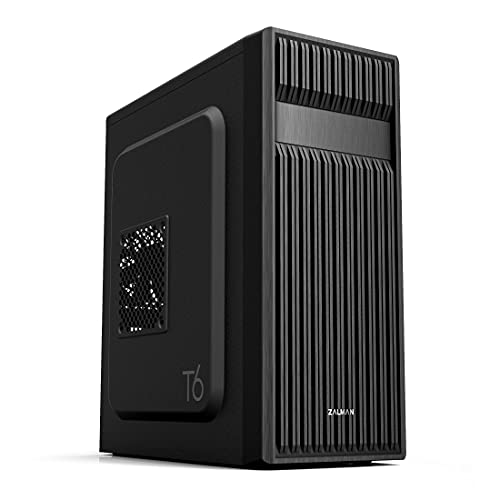
| Zalman T6 Mid Tower (supports mATX and ITX) | Check on Amazon | Includes a pre-installed 120mm fan and USB 3.0 front panel with room to grow, but a full mid tower footprint defeats the purpose if space savings were your goal. |
| Micro-ATX board + budget mATX case combo | $120–160 total | Keeps your money in the GPU instead of the chassis, at the cost of portability and desk aesthetics. |
| Small Micro-ATX cube case (~20–25 liters) | $60–90 | Gets you 70% of the compact feel while keeping four RAM slots and standard ATX power supplies. |
FAQ
Does ITX affect gaming performance?
Not directly. Identical components produce near-identical frame rates. The only performance risk comes from thermals: a poorly chosen small case with restricted airflow can cause thermal throttling under sustained loads, so budget for good fans and verify clearance specs.
Is ITX cheaper than Micro-ATX?
No, usually the opposite. ITX motherboards, SFX power supplies, and compact cases typically carry a $100–200 premium over an equivalent Micro-ATX setup with the same CPU and GPU.
Can I put an ITX board in a Micro-ATX case?
Yes. Mini-ITX uses the same mounting holes as the top-left corner of a Micro-ATX board, so nearly all Micro-ATX and ATX cases accept ITX boards. The reverse is not true — ITX cases generally cannot fit larger boards.
Is ITX still a good choice in 2026?
Yes, for the right buyer. Modern ITX boards support current CPUs, fast DDR5 memory, and multiple M.2 drives, and case designs have improved airflow dramatically. It remains a niche-but-excellent option for portable and small-form-factor enthusiasts — just go in knowing you’re paying for size, not speed.