The best scalp massagers for most people are the Tangle Teezer Scalp Exfoliator & Massager for balanced everyday use, the Briogeo Scalp Revival Stimulating Therapy Massager for a firmer shampoo scrub, and the HEETA Scalp Massager for an inexpensive waterproof option.
Scalp massagers can loosen product residue, spread shampoo, and make washing more relaxing. They may support a healthier scalp environment, but no handheld massager has been proven to regrow hair on its own. Treat “growth” claims as secondary: the useful question is whether a tool lets you massage comfortably without scratching, tangling, or irritating your scalp.
As an Amazon Associate we earn from qualifying purchases at no extra cost to you.



Our Top Picks
 USAGA 32 Fingers Head Massager Head Scratcher Scalp1 Count (Pack of 1)2.56 x 2.56 x 10.04 inches0.2 PoundsCheck on Amazon
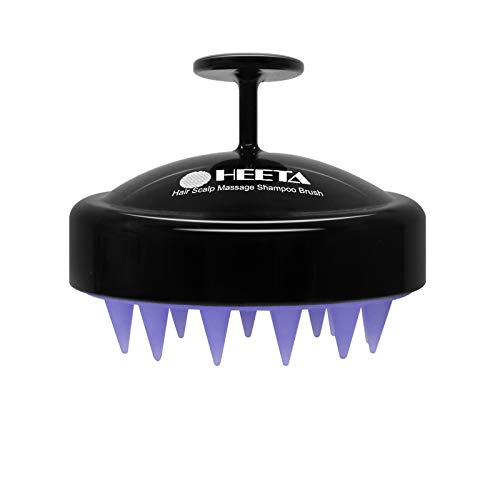 HEETA Scalp Massager Hair Growth Scrubber for Dandruff1 Count (Pack of 1)3.2 x 3.2 x 2.8 inches0.2 PoundsCheck on Amazon

Top 3 picks at a glance
Best scalp massagers at a glance
| Model | Silicone feel | Water use | Best hair/scalp match | Typical market range |
|---|---|---|---|---|
| Tangle Teezer Scalp Exfoliator & Massager | Medium, flexible teeth | Wet or dry | Short, medium, curly, and dense hair | Usually $10–$15 |
| Briogeo Scalp Revival Stimulating Therapy Massager | Medium-firm, closely spaced tips | Best wet; usable dry | Normal to oily scalps and shampoo routines | Usually $15–$20 |
| HEETA Scalp Massager | Soft to medium, widely spaced tips | Wet or dry; waterproof design | Long, thick, curly, or easily tangled hair | Usually $8–$15 |
| Vegamour GRO Revitalizing Scalp Massager | Soft-medium, rounded silicone bristles | Wet or dry | Gentle daily massage and sensitive scalps | Usually $15–$25 |
Head-to-head: which scalp massager fits your routine?
Best overall: Tangle Teezer Scalp Exfoliator & Massager
The Tangle Teezer is the most adaptable choice if you want one tool for shampoo distribution and occasional dry massage. Its flexible teeth move with the scalp rather than behaving like a rigid brush, while the shape gives you enough control to work in sections.
It works wet and dry, but use a lighter touch on dry hair. On wet hair, apply shampoo first and move the tool in small circles for about 30–60 seconds per section. On dry hair, avoid dragging it through the lengths; place it directly against the scalp and lift it between sections. This reduces friction and helps prevent tangling.
Choose it if you have medium-to-dense hair, a mixed texture, or want a massager that feels more substantial than a very soft shampoo brush. It may feel too stimulating if your scalp is irritated or recently exfoliated.
Best for a firm shampoo scrub: Briogeo Scalp Revival Stimulating Therapy Massager
The Briogeo Scalp Revival massager has a firmer, more concentrated feel than many inexpensive silicone brushes. That makes it effective for spreading shampoo and lifting loose flakes or styling-product residue without using your fingernails.
Its best use is in the shower. Wet your scalp, distribute shampoo with your fingertips, then use the massager with 8–12 short passes over each area. Do not press harder to compensate for a missed spot; increase coverage instead. Firm silicone can become uncomfortable when repeatedly used on dry skin, so dry use is better limited to brief, gentle sessions.
This is a good match for an oily scalp or someone who uses dry shampoo, wax, gel, or hairspray. It is less suitable for active dermatitis, broken skin, or a scalp that becomes sore after washing.
Best budget waterproof option: HEETA Scalp Massager
The HEETA Scalp Massager is a practical choice when you mainly want a simple shower tool. Its silicone construction and waterproof design make it easy to rinse, and its handle is shaped for a secure grip while your hands are covered in shampoo.
The relatively open spacing is useful for long, thick, or curly hair because the tool is less likely to catch large sections of the hair shaft. It is also easier to clean than a dense brush. The trade-off is that widely spaced tips may feel less exfoliating and may require more passes to cover a very short haircut.
Use it wet with shampoo for the strongest benefit. Dry use is possible, but keep the tool at the roots and avoid combing it from crown to ends. The low price also makes it a sensible choice for households that want separate tools for different bathrooms or family members.
Best for gentler daily massage: Vegamour GRO Revitalizing Scalp Massager
The Vegamour GRO Revitalizing Scalp Massager is aimed at a gentler, relaxation-focused routine. Its rounded silicone bristles provide stimulation without the sharper sensation some firmer scalp brushes create.
Use it wet while shampooing, or dry for a short massage before washing. Dry massage should be performed on a dry scalp with almost no downward pressure: 30–60 seconds is enough. If your hair is fine or prone to static, use the tool only on exposed scalp sections instead of repeatedly brushing through the hair.
This model is a better fit for people who want comfort and consistency rather than aggressive exfoliation. It will not replace medical treatment for hair loss, persistent dandruff, itching, or inflammation.
How to choose: firmness, waterproofing, handle, and hair type
1. Match silicone firmness to your scalp
- Soft silicone: best for sensitive scalps, frequent use, and relaxation. It usually feels less effective on heavy buildup.
- Medium silicone: the most versatile choice for shampooing, light exfoliation, and occasional dry massage.
- Firm silicone: useful for dense hair, oily scalps, and styling-product residue, but more likely to cause soreness if you press too hard.
A useful pressure rule is that the tips should move the skin slightly without creating pain, burning, or a lingering tender feeling. If redness or soreness lasts longer than a few minutes, reduce pressure, shorten the session, or switch to softer tips.
2. Check waterproofing before using it in the shower
A tool described as waterproof or shower-safe is designed for wet use, but that does not automatically mean it should be submerged indefinitely. Avoid charging or storing any electronic massager in the shower unless its instructions specifically permit it.
For a manual silicone model, rinse shampoo out after every use and let it dry fully. A removable handle, drainage opening, or simple one-piece design is preferable because trapped moisture can create an unpleasant odor.
3. Prioritize handle comfort over extra bristles
A slippery handle encourages excessive gripping, which usually makes the massage harsher. Look for a loop, textured grip, or broad palm surface. If you have limited hand strength, a larger handle is often more useful than a compact brush with densely packed tips.
4. Match tip spacing to your hair
| Your situation | Preferred design | Why | Starting routine |
|---|---|---|---|
| Long or thick hair | Soft-medium tips with open spacing | Less snagging and easier scalp access | Wet, 2–3 minutes during shampoo |
| Curly or coily hair | Flexible, rounded tips | Reduces catching and unnecessary disruption of curl pattern | Wet, section by section |
| Short hair or shaved scalp | Medium or firm tips | More direct contact with the scalp | Wet or dry, 30–90 seconds |
| Fine, fragile, or easily tangled hair | Soft tips with wide spacing | Less pulling at the roots | Wet only at first, with minimal pressure |
| Sensitive or flaky scalp | Soft-medium rounded tips | Lower chance of aggravating irritation | 30–60 seconds, stop if burning occurs |
Wet versus dry use: a practical method
For wet use: saturate the hair and scalp, apply shampoo with your fingertips, then divide the scalp into four areas: front, crown, left side, and right side. Massage each area for 20–30 seconds using small circles. Rinse the tool and scalp thoroughly. This method works because shampoo provides slip and reduces friction while the massager helps distribute the cleanser.
For dry use: start with clean, detangled hair. Rest the tool on one small scalp area, make five to ten gentle circles, then lift it and move to the next area. Keep the entire session under two minutes until you know how your scalp reacts. Dry massage should feel calming, not like scratching.
Do not use a scalp massager over cuts, sunburn, active infection, painful bumps, or severe flaking. If hair shedding is sudden or accompanied by bald patches, pain, or inflammation, a dermatologist is more appropriate than a stronger brush.
Can scalp massagers help hair growth?
They may improve the massage experience and help remove buildup, but they are not a proven standalone hair-growth treatment. Any benefit is likely indirect: a comfortable tool can help you wash consistently, avoid scratching with fingernails, and maintain a cleaner scalp. Mechanical stimulation should not be used as a substitute for evaluation of pattern hair loss or other medical causes of shedding.
For most buyers, choose the Tangle Teezer for the best balance of flexibility and control, the Briogeo for a firmer wet scrub, HEETA for an affordable waterproof design, or Vegamour for gentler daily relaxation. In every case, consistency and light pressure matter more than choosing the most aggressive silicone.
Frequently asked questions
How should I clean and store a scalp massager?
Rinse a manual silicone massager after every use and let it dry fully. A removable handle, drainage opening, or simple one-piece design can help prevent trapped moisture and unpleasant odors. For shower use, choose a tool described as waterproof or shower-safe, but do not submerge it indefinitely unless the instructions specifically allow that.
How can I tell if I am pressing too hard?
You are pressing too hard if the massage causes pain, burning, or lingering tenderness. The tips should move the skin slightly without discomfort. If redness or soreness lasts longer than a few minutes, reduce pressure, shorten the session, or switch to softer tips. A dry massage should feel calming rather than like scratching.
Can I use a scalp massager with shampoo?
Yes, using a scalp massager with shampoo is one of its most practical uses. Saturate the hair and scalp, apply shampoo with your fingertips, and then use small circles over sections of the scalp. Shampoo provides slip and reduces friction while the tool helps distribute the cleanser. Rinse both the tool and scalp thoroughly afterward.
When should I avoid using a scalp massager?
Avoid using a scalp massager over cuts, sunburn, active infection, painful bumps, or severe flaking. A firmer tool may also be unsuitable if your scalp is irritated, recently exfoliated, or becomes sore after washing. Stop if burning occurs, and seek dermatological advice for persistent dandruff, itching, inflammation, or painful scalp symptoms.
What should I do if I have sudden hair shedding?
Sudden hair shedding should be evaluated by a dermatologist, especially when it occurs with bald patches, pain, or inflammation. A scalp massager is not a substitute for assessing pattern hair loss or other medical causes of shedding. It may support a consistent washing routine and help remove buildup, but it is not a proven standalone hair-growth treatment.