Grand strategy and 4X games like Civilization, Total War, Stellaris, and Crusader Kings are the quiet CPU killers of the PC world. The frame rate on turn one tells you almost nothing about how the game feels 300 turns later, when a giant map full of units, agents, and AI factions has to be simulated between every click. A good strategy build optimizes for late-game turn times and simulation speed, not just raw frames.
As an Amazon Associate we earn from qualifying purchases at no extra cost to you.


Our Top Picks
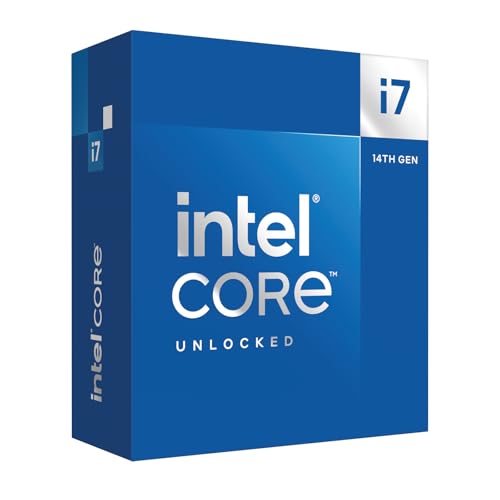
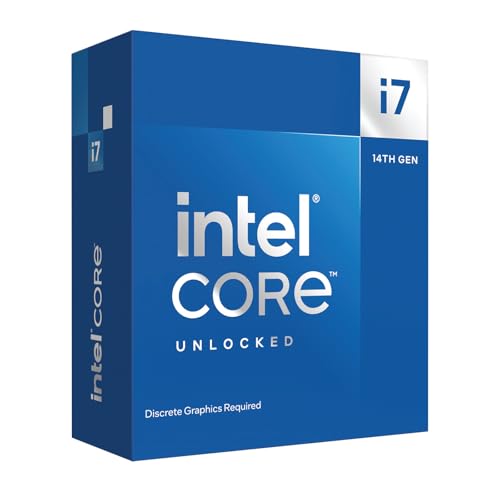
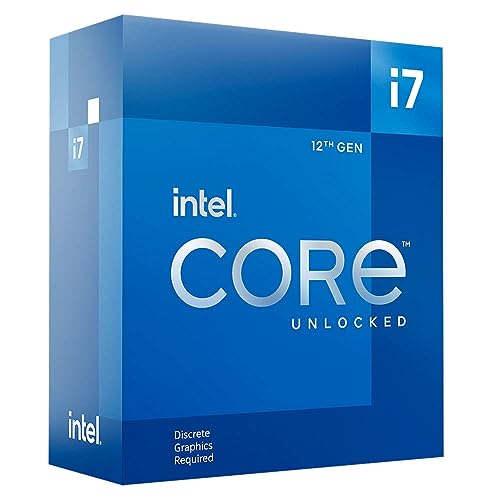

Top 3 picks at a glance
What Actually Slows Strategy Games Down
Two things: end-turn AI calculations and huge unit or pop counts. Both hammer the CPU, and much of the load falls on a small number of threads. That means a processor with strong single-thread performance and a healthy core count matters more than a top-tier GPU. Memory capacity also helps because large save files and sprawling maps balloon RAM use deep into a campaign.
Where the GPU fits
A mid-range GPU is fine for most 4X titles at 1440p because they are not visually demanding on a per-frame basis. The exception is Total War battles, which render thousands of soldiers and reward a stronger card if you want big unit sizes at high settings.
Build Recommendations
| Use case | CPU focus | GPU class | RAM | Approx. budget |
|---|---|---|---|---|
| Turn-based 4X (Civ, Stellaris) | High single-thread, 6-8 cores | 1440p mid | 32GB DDR5 | $1000-1300 |
| Total War battles | 8 cores, high clocks | 1440p upper-mid | 32GB DDR5 | $1400-1700 |
| Heavy modded campaigns | 8-core X3D-class | 1440p high | 64GB DDR5 | $1800-2200 |
Notice RAM climbs before GPU. A modded Stellaris galaxy on the largest size, or a heavily modded Crusader Kings save, can consume well over 16GB on its own, so 32GB is the sane floor and 64GB is genuinely useful for the heaviest mod lists.
Squeezing Out Faster Turns
Fast storage and background hygiene
Put saves and the game on an NVMe SSD so autosaves between turns do not stall you. Close background apps that spike CPU usage; strategy games feel the difference more than shooters because they need bursts of full CPU attention at end-turn.
Tune the simulation, not just graphics
Where a game allows it, reduce AI-heavy options like the number of major factions, or lower simulation detail settings. On Total War, unit-size and shadow settings hit performance harder than resolution.
Cooling and Sustained Load
Strategy games create an unusual thermal profile. Between turns the CPU spikes hard as it crunches AI, then relaxes, over and over for hours. This repeated bursty load rewards a cooler that can absorb short, intense spikes quietly rather than one tuned only for steady gaming heat. A solid tower air cooler or a mid-size AIO keeps the processor from thermal throttling during those end-turn crunches, which directly affects how long you wait between turns late in a campaign.
Multi-monitor and readability
4X and grand strategy players benefit enormously from screen real estate. A large or second monitor makes dense maps, tech trees, and management screens far easier to read, reducing the constant zooming and panning these games require. Make sure your chosen GPU has the outputs for it, and pick a monitor size and resolution that keeps small text crisp, since these games live and die by information density rather than fast reflexes.
Storage for big saves
Deep campaigns generate large, frequent autosaves. An NVMe SSD keeps those background saves from stalling your turns and shortens the load times when you revisit an old game. It also helps heavily modded setups, where the game must read many extra files at launch and during play. None of this needs a huge drive, but it should be fast, not a mechanical hard disk carrying the active game.
FAQ
Does GPU matter at all for 4X games?
Some, but far less than the CPU. For turn-based titles a mid-range card at 1440p is plenty. Only Total War-style real-time battles with thousands of models reward a stronger GPU, and even then the CPU still governs late-campaign turn times.
Will more cores fix slow end-turns?
Only partly. Many strategy engines lean on one or two threads for the heaviest AI work, so a CPU with high per-core speed helps most. Extra cores help background tasks and a few well-threaded engines, but do not expect linear scaling from core count alone.
Bottom Line
Buy the strongest single-thread CPU you can, pair it with 32GB or more of fast memory and quick NVMe storage, and treat the GPU as a secondary concern unless you love massive real-time battles. Judge a strategy build by turn 300, not turn one, and it will stay enjoyable through your longest campaigns.