Thinking about playing Metro: Last Light Redux on PC and wondering what hardware you actually need? Metro: Last Light Redux is the 2014 remaster of 4A Games’ post-apocalyptic action shooter, set beneath the ruins of Moscow in the year 2034, and by modern standards it is a light load. Its official requirements top out at a DirectX 11 graphics card along the lines of a GeForce GTX 480 and 4 GB of RAM, so most desktops and laptops built in the last decade will run it without much trouble. This guide breaks down the official PC system requirements for Metro: Last Light Redux, the best GPU for each resolution, and build recommendations that actually make sense for a game this old.
As an Amazon Associate we earn from qualifying purchases at no extra cost to you.

Our Top Picks
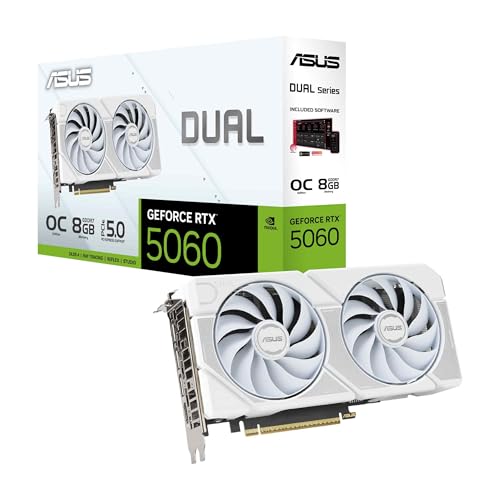 ASUS Dual GeForce RTX 5060 8GB GDDR7 WhiteRTX5060|8GB|OC9 x 4.8 x 0.1 Inches2.4 poundsCheck on Amazon


Top 3 picks at a glance
How Demanding Is Metro: Last Light Redux?
Not very — and that is the most important thing to understand about this game. Metro: Last Light Redux is a linear, story-driven single-player shooter that first launched on 25 August 2014, and its engine reflects that era. The official minimum asks for a 2.2 GHz dual-core processor, 2 GB of RAM and a DirectX 10 card in the class of a GeForce 8800 GT, while the recommended spec steps up to any quad-core or 3.0+ GHz dual-core, 4 GB of RAM and a DirectX 11 card from a GeForce GTX 480 upward. In practice, that means the game is comfortably playable on old or budget hardware, on modern integrated graphics, and on handhelds, and it will run at 1080p on high settings on almost anything with a discrete GPU from the last several generations. Because it is a corridor shooter rather than a simulation, a strategy game or a large-scale multiplayer title, it is not CPU-heavy either — a modest processor is plenty, and the graphics card does the work. 1440p and 4K are reachable without top-tier hardware; there is no need to chase flagship parts for this one.
Metro: Last Light Redux Official PC System Requirements
| Component | Minimum (official) | Recommended (official) |
|---|---|---|
| OS | Windows Vista, 7 or 8 (64-bit only) | Windows 7 or 8 (64-bit only) |
| Processor | Dual Core CPU (2.2+ GHz Dual Core CPU or better) | Any Quad Core or 3.0+ GHz Dual Core CPU |
| Memory | 2 GB RAM | 4 GB RAM |
| Graphics | DirectX 10, Shader Model 4 compliant graphics cards (GeForce 8800 GT 512 MB, GeForce GTS 250, etc) | DirectX 11 compliant graphics card (GeForce GTX 480 and above) |
| DirectX | Version 10 | Version 11 |
| Storage | 10 GB available space | 10 GB available space |
Source: the official Metro: Last Light Redux Steam store listing (app 287390), checked October 2026. Publishers can update these specs after patches.
Both sets of requirements are 64-bit only, and the game needs about 10 GB of free disk space. Note how low the bar is: the minimum is DirectX 10 hardware and the recommended is simply any DirectX 11-compliant card, so a modern entry-level GPU comfortably clears the recommended specification.
Best GPU for Metro: Last Light Redux by Resolution
1080p
At 1080p you are already well past what this game needs. The recommended DirectX 11 card, a GeForce GTX 480, is a 2010 flagship, so anything from a GTX 1650 or RX 6400 upward — and even a recent integrated GPU — will handle 1080p at high settings. If you want a card that also serves you well in newer releases, the AMD Radeon RX 7600 (or a comparable card) is far more than Metro: Last Light Redux requires and gives you plenty of headroom for other titles.
1440p
1440p remains easy territory for a 2014 shooter. A current entry-level card such as an RTX 5060 or an RX 9060 XT is already more than sufficient here, and stepping up to the NVIDIA GeForce RTX 4070 SUPER buys you headroom for demanding modern games rather than anything this one asks for. This is the resolution most PC gamers target, and this class of card gives Metro: Last Light Redux a very comfortable margin.
4K
4K is the only resolution where the game starts to ask for a genuinely capable GPU, and even then it is far from a showcase title. A modern mid-range card such as an RTX 5070 or an RX 9070 is comfortable at 4K here, and the NVIDIA GeForce RTX 4070 Ti SUPER is more than enough. Because the game is over a decade old, you do not need a flagship to run it at 4K with high settings — a solid upper-mid-range card is the realistic target.
CPU, RAM and Storage for Metro: Last Light Redux
The rest of your system barely matters for this game. The official minimum is a 2.2 GHz dual-core and the recommended is any quad-core or 3.0+ GHz dual-core, so the AMD Ryzen 5 7600 is far beyond what Metro: Last Light Redux will ever use — it is a sensible choice only if you also play modern titles. The same applies to the AMD Ryzen 7 7800X3D, which is the fastest mainstream gaming CPU but completely unnecessary here, and to Intel’s Intel Core i5-14600K. For memory, the official recommended figure is just 4 GB; 8 GB is a comfortable amount for this game, and 16 GB of DDR5 such as Corsair Vengeance DDR5 32GB is a sensible modern baseline for a new build rather than a requirement of this one. Storage is likewise modest at 10 GB, so any drive will do; an SSD like the Samsung 990 Pro 2TB NVMe SSD will cut load times and is a good long-term pick, but it is a nice-to-have rather than a necessity for a game this old.
Recommended PC Builds for Metro: Last Light Redux
1080p build: AMD Radeon RX 7600 + AMD Ryzen 5 7600 + 16 GB DDR5 — considerably more than Metro: Last Light Redux needs, but a sound all-round starting point that will also handle newer games at 1080p.
1440p build: NVIDIA GeForce RTX 4070 SUPER + AMD Ryzen 7 7800X3D + 32 GB DDR5 + 2TB NVMe SSD — a strong modern system for 1440p, though this game will happily run on a fraction of it.
4K build: NVIDIA GeForce RTX 4070 Ti SUPER + AMD Ryzen 7 7800X3D + 32 GB DDR5 + fast NVMe SSD — comfortable at 4K in this game and well suited to more demanding releases too.
Is It Worth Upgrading Your PC for Metro: Last Light Redux?
Honestly, no — not for this game alone. Its official recommended card is a GeForce GTX 480 and it asks for only 4 GB of RAM, so if your PC can boot modern Windows, there is a good chance it already meets or beats the spec. If you are running on very old integrated graphics, the cheapest upgrade that makes sense is a modest used or entry-level discrete GPU, which will clear the recommended requirements easily. Beyond that, upgrade for the games you actually want to play rather than for Metro: Last Light Redux. The general rules still apply: the graphics card gives the biggest jump in gaming performance, a mid-range CPU from the last several years will not hold you back in a 2014 shooter, and an SSD improves load times across your whole library. Rather than replacing everything at once, target the weakest link in your build.
Can You Play Metro: Last Light Redux on a Laptop or Handheld?
Yes, easily. This is exactly the kind of game handhelds were made for: on a Steam Deck or an ROG Ally it runs comfortably at sensible settings, and it is a great pick for portable play. Gaming laptops from the last several generations — and many current thin-and-light models with only integrated graphics — can handle it at 1080p, though as always expect shorter battery life and more heat than a desktop. If portability matters, prioritise a device with a decent GPU and pair it with a fast microSD card or SSD for storage, since the game needs about 10 GB of space.
How to Boost FPS in Metro: Last Light Redux
Because this is a 2014 release, it predates DLSS, FSR, XeSS and frame generation, so there is no upscaler to lean on — the levers here are the in-game quality preset and resolution. Start by dropping the overall preset a notch, then lower the more expensive visual effects such as shadow quality before reducing resolution, which has the largest impact of all. If your machine is comfortably above the official spec you will not need any of this; if you are near the minimum, a lower preset at 1080p is the simplest fix. Keep your GPU drivers up to date, close background applications, and install the game on an SSD if you have one to reduce loading times.
Frequently Asked Questions
Can my PC run Metro: Last Light Redux?
Almost certainly. The official minimum is a 2.2 GHz dual-core CPU, 2 GB of RAM and a DirectX 10 card such as a GeForce 8800 GT, and the recommended spec is any quad-core or 3.0+ GHz dual-core, 4 GB of RAM and a DirectX 11 card from a GeForce GTX 480 upward. Any PC with a discrete GPU from the last decade meets the recommended requirements.
Is Metro: Last Light Redux demanding on PC?
No. It is a 2014 action shooter with modest requirements, and it runs well on budget hardware, modern integrated graphics, laptops and handhelds.
What GPU do I need for Metro: Last Light Redux at 1440p 60fps?
Very little by today’s standards — a card in the class of the official recommended GeForce GTX 480 or better is enough for high settings at 1440p. If you want a modern card that also handles newer games, the NVIDIA GeForce RTX 4070 SUPER is far beyond what this game requires and gives you comfortable headroom elsewhere.
How much RAM does Metro: Last Light Redux need?
The official recommended amount is 4 GB, with 2 GB as the minimum. In practice 8 GB is comfortable for this game, and 16 GB is the sensible baseline for a modern gaming PC that also runs newer titles.
Do I need an SSD for Metro: Last Light Redux?
No — the official requirement is simply 10 GB of available storage space. An SSD reduces load times and is a good upgrade for your whole library; an NVMe drive like the Samsung 990 Pro is a fine choice, but it is not required to play this game.