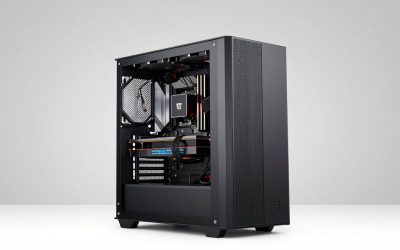
AMD still sells two living sockets side by side, which makes the AM4-versus-AM5 decision one of the most common questions for anyone speccing a Ryzen build. AM4 is the mature, bargain-priced platform that carried Ryzen from 2017 to 2022. AM5 is the current DDR5 socket that AMD has promised to support with new chips through at least 2027. Picking the right one is really a question of budget today versus upgrade runway tomorrow.
As an Amazon Associate we earn from qualifying purchases at no extra cost to you.
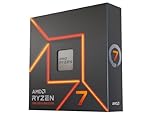

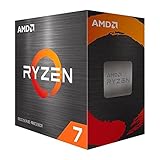

Our Top Picks
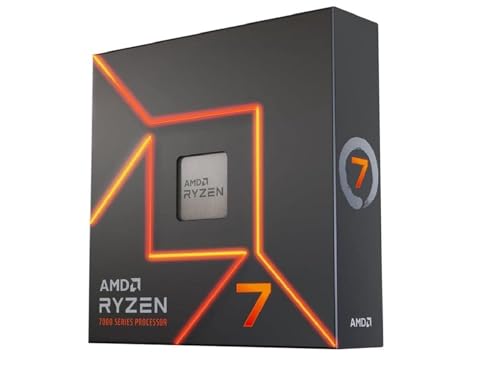
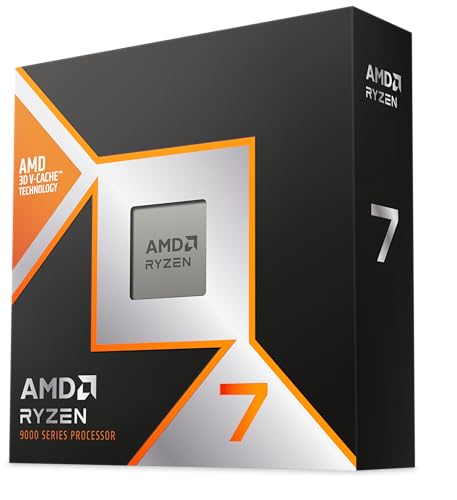
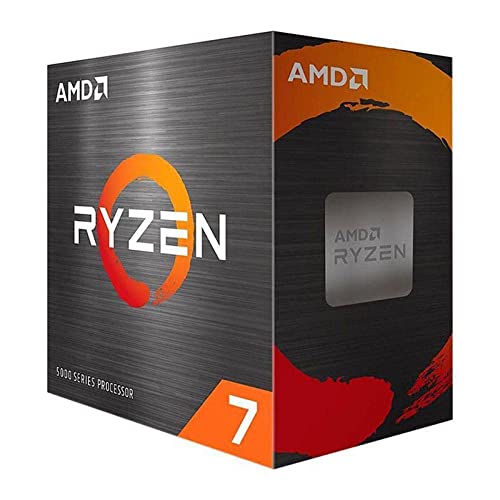

Top 3 picks at a glance
The core differences
AM4 uses DDR4 memory and PCIe 4.0, and tops out with chips like the Ryzen 7 5700X3D and 5800X3D. AM5 moves to DDR5, adds PCIe 5.0 lanes for GPUs and SSDs, and runs everything from the Ryzen 5 7600 up to the 9800X3D. AM5 boards also require newer, pricier VRMs and mandatory DDR5, so the platform entry cost is higher even when the CPU looks similar on paper.
Where AM4 still wins
Value. A 5700X3D plus a solid B550 board and 32 GB of DDR4-3600 can cost roughly 35–45% less than the cheapest respectable AM5 equivalent, and the 3D V-Cache keeps it within a handful of frames of far more expensive chips at 1440p. For a one-and-done 1080p or 1440p gaming box you do not plan to upgrade, AM4 is hard to beat.
Platform cost and lifespan compared
| Factor | AM4 (DDR4) | AM5 (DDR5) |
|---|---|---|
| Memory | DDR4-3200/3600 | DDR5-6000+ |
| PCIe version | 4.0 | 5.0 |
| Entry board + RAM cost | $120–180 | $220–320 |
| Top gaming CPU | Ryzen 7 5800X3D | Ryzen 7 9800X3D |
| Future CPU upgrades | Effectively none | Through ~2027 |
| Best for | Budget, no upgrades | Longevity, high-end |
Who should choose AM5
If you are spending $1,200 or more, want to drop in a faster CPU in three years without replacing the board and memory, or you play CPU-heavy titles at high refresh, AM5 is the smarter long-term buy. DDR5 bandwidth and PCIe 5.0 storage also matter more for creators who edit or compile alongside gaming.
The 3D V-Cache factor
AMD’s X3D chips blur the line. A 5700X3D on AM4 often matches a non-X3D 7600 on AM5 in games while costing less overall. But the 7800X3D and 9800X3D on AM5 are simply the fastest gaming CPUs you can buy, so the platform still owns the top of the chart.
Making the call
Set your total budget first. Under about $900, AM4 with a 5700X3D frees up cash for a stronger GPU, which helps frame rates more than the platform ever will. At $1,200 and up, AM5’s upgrade path and DDR5 headroom justify the premium.
Cooler and RAM reuse between platforms
One overlooked cost is carry-over parts. AM5 keeps the AM4 cooler mounting pattern, so most existing AM4 air and liquid coolers bolt straight onto an AM5 board, a real saving if you are upgrading. Memory does not transfer, however: AM4 is DDR4 and AM5 is DDR5, so a platform jump means new RAM regardless. Factor that into your budget math. If you already own a good cooler and 32 GB of DDR4, staying on AM4 with a 5700X3D lets you reuse both, while moving to AM5 means buying DDR5 even though the cooler comes along for the ride.
FAQ
Will AM4 feel outdated in two years?
For pure 1080p/1440p gaming, no — a 5700X3D will stay very playable. What you give up is any CPU upgrade path, since AM4 has reached the end of its roadmap.
Is DDR5 worth the extra cost on AM5?
For gaming the difference over fast DDR4 is usually only a few percent, but DDR5 is required on AM5 and pays off in memory-heavy creative work and future headroom.
Bottom line
Choose AM4 when value and a fixed configuration matter most; a 5700X3D build punches far above its price. Choose AM5 when you want years of upgrades, DDR5 bandwidth, and access to the fastest gaming CPUs available. Match the platform to how long you intend to keep the machine, and the decision makes itself.